

Step Into Art History: 9 Famous Masterpieces You Can Paint at Home
Article Summary
Nine of the most famous paintings in art history, re-engineered as paint by numbers kits. This guide covers all nine kits by artistic movement, from Impressionism to the Renaissance, with specific notes on the technical challenge each one presents and what it teaches you about how the original was made. Includes van Gogh, Monet, Klimt, Vermeer, da Vinci, Munch, Renoir, and Seurat. All nine kits are available from $29.99, delivered to your door across the US.
Nine of the most famous paintings in art history, re-engineered as paint by numbers kits. From the swirling night sky of Van Gogh to the luminous geometry of Klimt, each kit in this collection of paint by numbers famous paintings is a guided lesson in the specific techniques that made these masterpieces famous. You follow the numbers, but you also learn something real about how these painters worked.
For most people, the world of fine art feels like it belongs to someone else. Museum galleries, art school training, years of practice. But that distance is mostly a myth. The reason these paintings have endured for centuries is not that they are impossibly complex. It is that each one solved a specific visual problem in a way nobody had done before. Impressionism was about capturing light. Expressionism was about capturing emotion. Pointillism was about the physics of how the eye mixes color. Each of these problems is embedded in the numbered canvas waiting for you. Painting it is the most direct way to understand it.
This guide covers all nine kits by movement, so you can choose based on the kind of painting challenge you want, as well as the aesthetic you want on your wall. If you are new to the hobby, our complete beginner's guide covers everything you need before you start.
The Impressionists: Capturing Light and Leisure
Impressionism was not about photographic realism. It was about capturing a fleeting moment: the way sunlight dances on water, the relaxed atmosphere of a Parisian afternoon, the quality of light at a specific hour of a specific day. These paintings are built from soft palettes, layered color, and the deliberate avoidance of hard outlines.
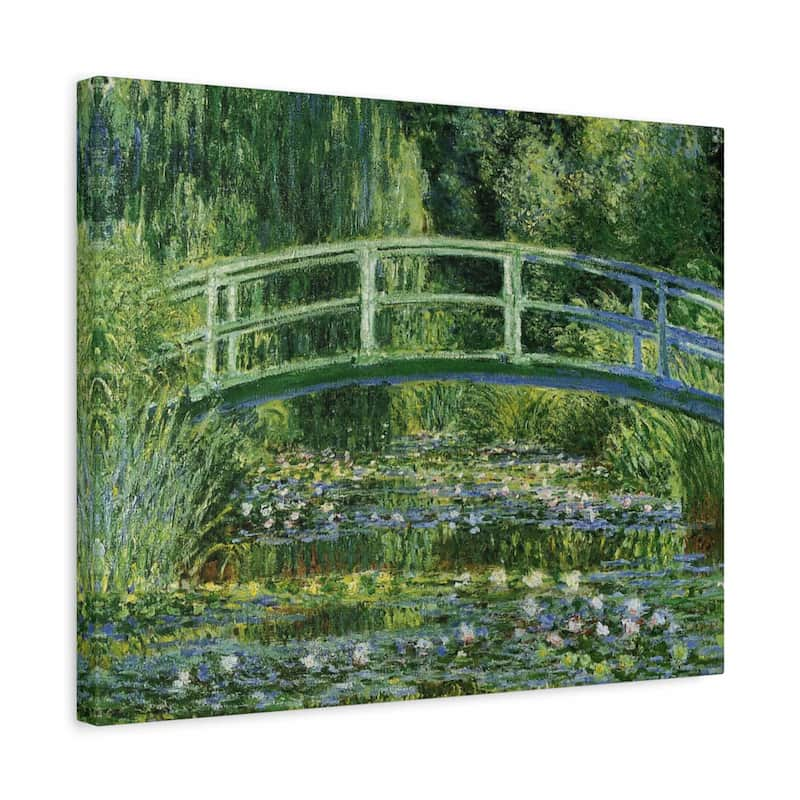
1. The Japanese Bridge by Claude Monet
The lily pond at Giverny occupied the last two decades of Monet's career, and the Japanese Bridge series captures the way dappled light dissolves form into reflection. Painting this monet paint by numbers kit is a meditative exercise in layering slightly different greens, blues, and soft yellows until the boundary between bridge, water, and leaf becomes as ambiguous as it does in the original. There are no hard lines here. The depth comes entirely from color temperature.
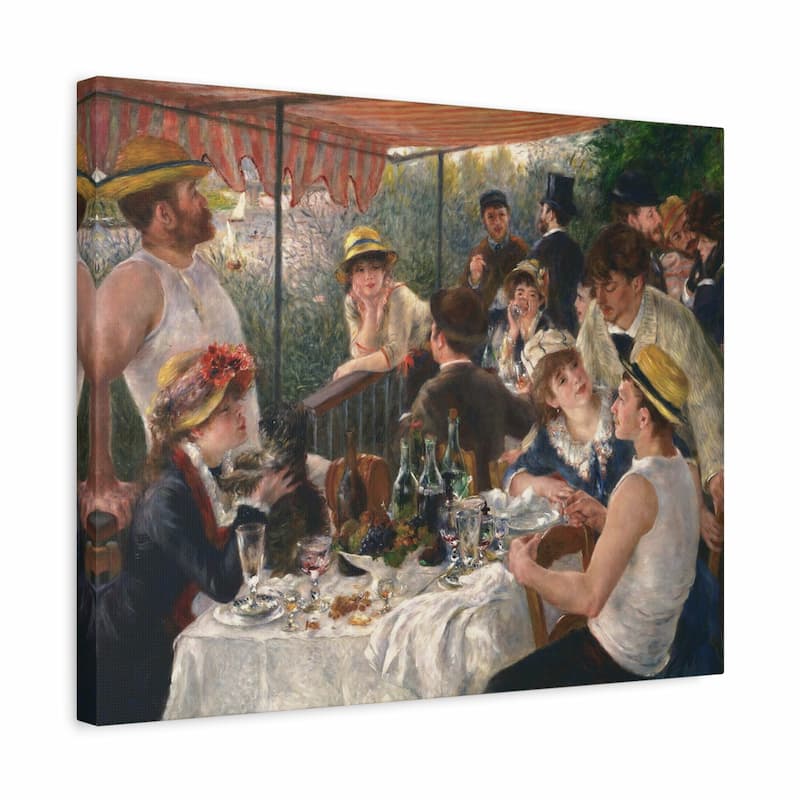
2. Luncheon of the Boating Party by Renoir
Renoir was a painter of social warmth, and this is the most socially warm of all his major works. The challenge is the light, specifically the way afternoon sun filters through an orange awning onto white tablecloths and the faces of relaxed guests. The numbered canvas maps out this warm, dappled quality in detail. Follow it carefully and you will understand precisely how Renoir built the illusion of sunlight on skin using nothing but adjacent warm and cool tones.
Shop the Luncheon of the Boating Party Kit
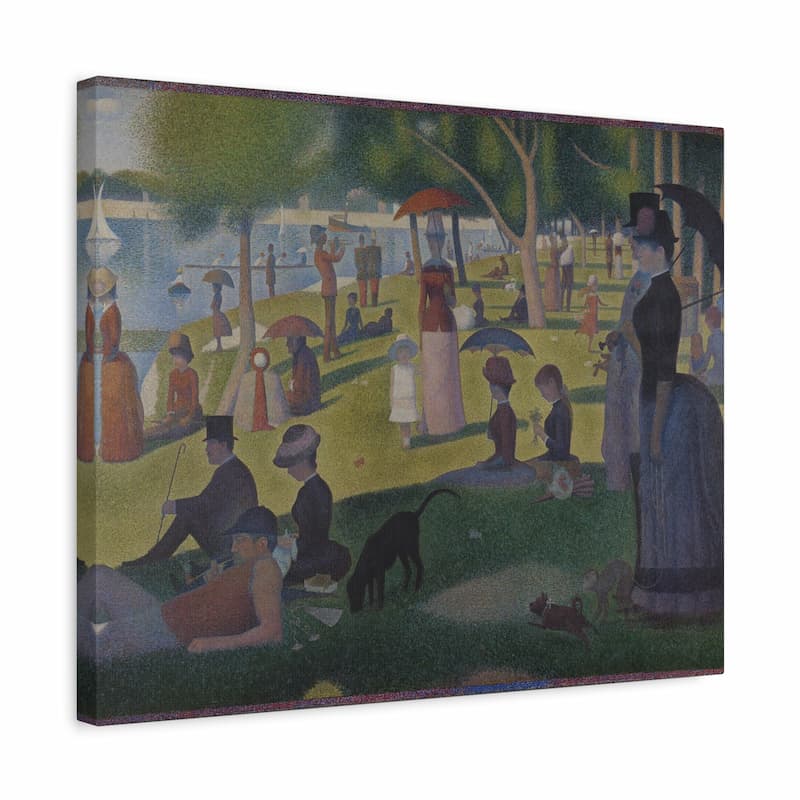
3. A Sunday on La Grande Jatte by Georges Seurat
Seurat invented Pointillism by applying the science of color perception to painting. He reasoned that if you place dots of pure complementary colors next to each other, the eye mixes them at a distance into a more luminous tone than any pre-mixed paint could achieve. The numbered canvas captures this system faithfully. Working through the hundreds of small, distinct sections in this famous art paint by numbers kit is a lesson in rhythmic precision that produces a result more luminous than its individual parts suggest.
Shop A Sunday on La Grande Jatte Kit
The Icons of Emotion and Color
Post-Impressionism and Expressionism moved away from objective observation and toward subjective experience. Color became exaggerated, form became distorted, and brushwork became as expressive as the subject itself.
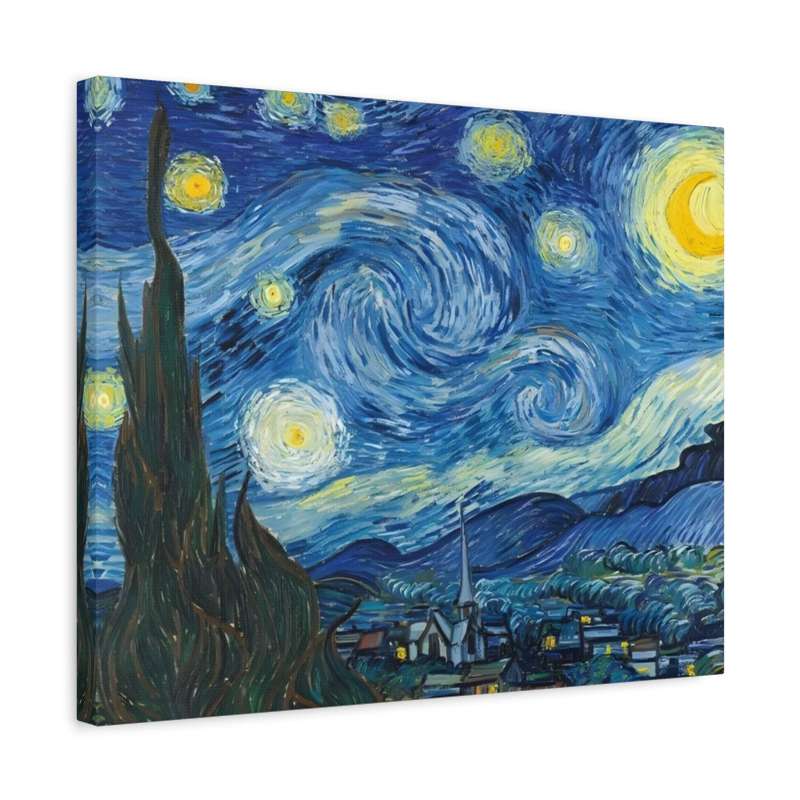
4. The Starry Night by Vincent van Gogh
This is the most searched starry night paint by numbers subject in our collection, and the reason is the swirling sky. Van Gogh did not paint a peaceful night. He painted energy, movement, and internal pressure expressed as visible force. The numbered sections follow the direction of those swirling currents in the clouds and sky. Working through them in sequence, you develop an understanding of how directional brushwork creates rhythm in a painting, a technique that transfers to any canvas you work on afterward.
Shop Van Gogh's Starry Night Kit
5. Sunflowers by Vincent van Gogh
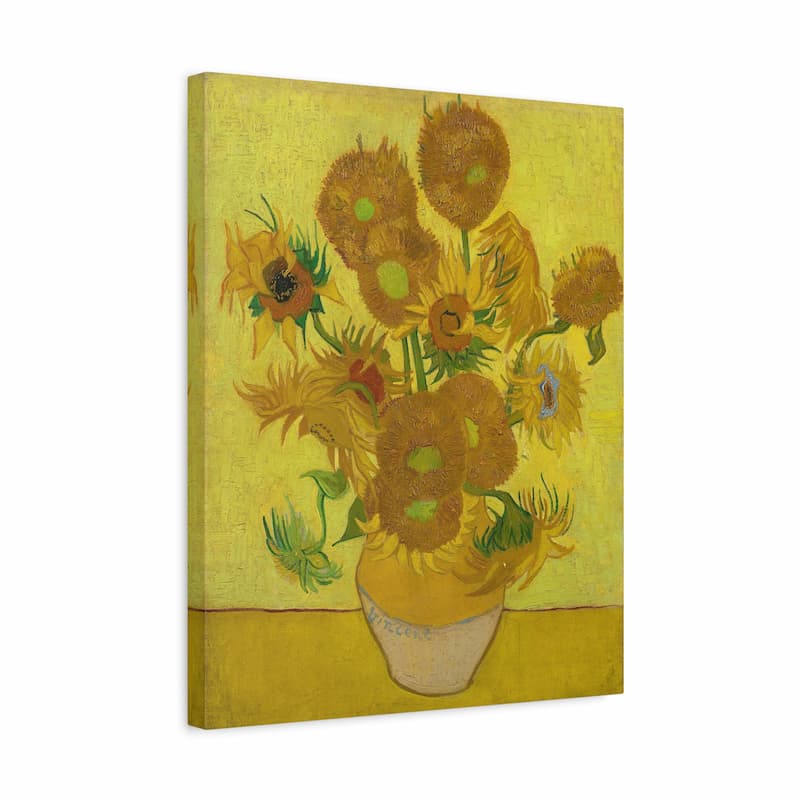
Where the Starry Night is about movement, Sunflowers is about texture and color temperature within a single hue. Van Gogh used almost exclusively yellow tones, relying on thick paint application to give the flowers physical weight and vitality. The numbered canvas maps the subtle temperature shifts within that yellow range, from warm gold to cool lemon, that give the flowers their sculptural presence. This is the most approachable paint by numbers van gogh option for painters who want richly colored work without the complexity of multi-directional brushwork.
6. The Scream by Edvard Munch
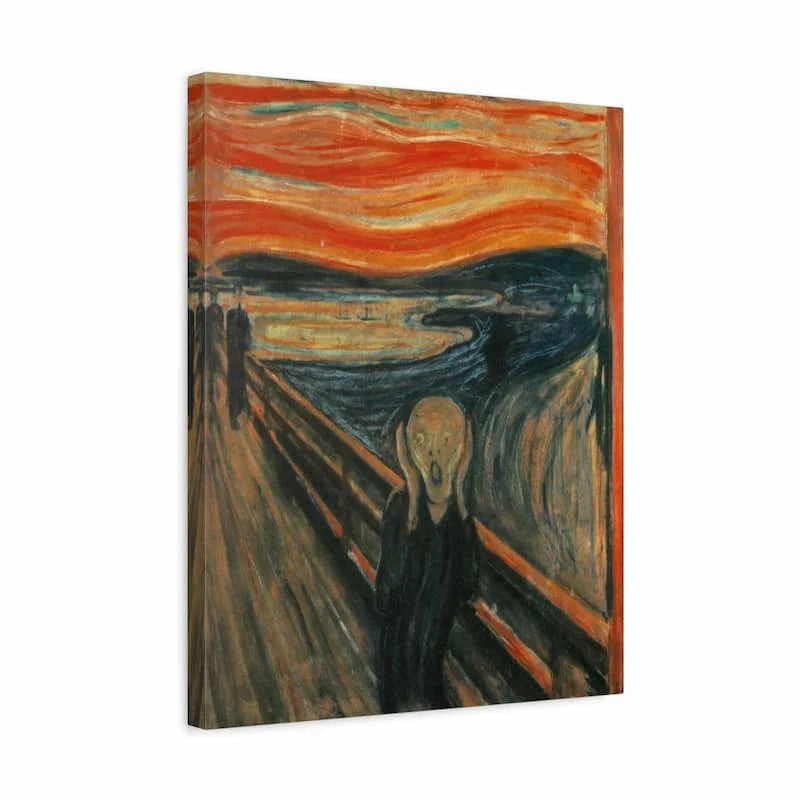
Munch distorted the lines of the sky and landscape to echo the internal state of the central figure. The wavy, melting quality of the horizon, the fiery orange sky set against deep blues, and the elongated figure are not stylistic choices for their own sake. They are the visual language of anxiety made literal. Painting this kit is an exercise in following curves that defy natural logic, and the finished piece is one of the most immediately recognizable works of art in any room.
The Masters of Portraiture and Pattern
These three paintings are built on completely different technical foundations. The Mona Lisa is about atmospheric blending. The Vermeer is about the drama of a single light source. The Klimt is about surface pattern and symbolic density.
7. Mona Lisa by Leonardo da Vinci
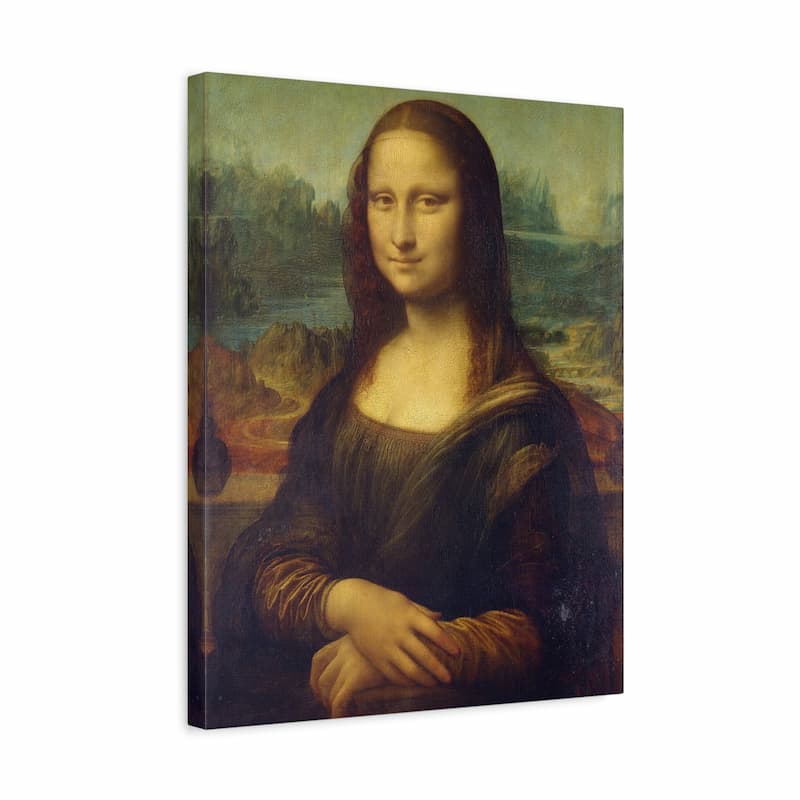
Da Vinci developed the sfumato technique specifically to eliminate the harsh outlines that were standard in Renaissance portraiture. The term means smoky, and the effect creates transitions between color areas so gradual that no boundary is visible. This mona lisa paint by numbers kit is among the most technically demanding in the collection because achieving the smooth, sculptural quality of her face requires patience with blending and careful attention to the subtle numbered shifts across the skin tones. For guidance on blending technique, our color blending guide covers the specific methods that apply here.
8. Girl with a Pearl Earring by Johannes Vermeer
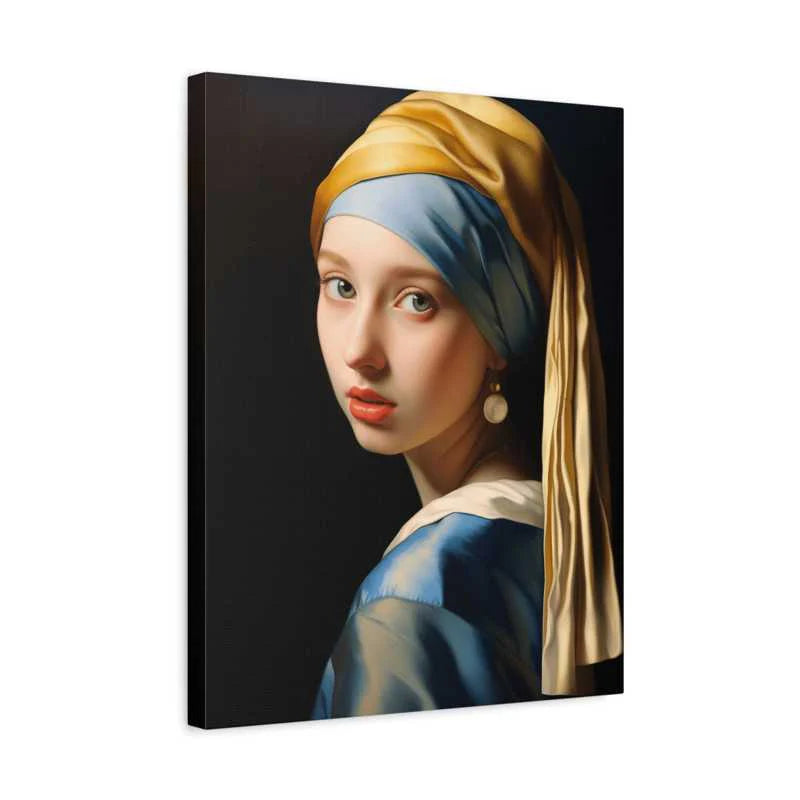
Vermeer painted a small number of works, and almost every one uses the same device: a single window off-frame to the left, flooding the subject with directional northern light against a dark background. This portrait is the most concentrated example of that technique. The dark background eliminates all distraction. Your eye goes directly to the light on her face, the luminous folds of her turban, and the pearl. Working through the numbered sections around the face teaches you how Vermeer built three-dimensional form using light alone, without a single hard shadow line.
Shop the Girl with a Pearl Earring Kit
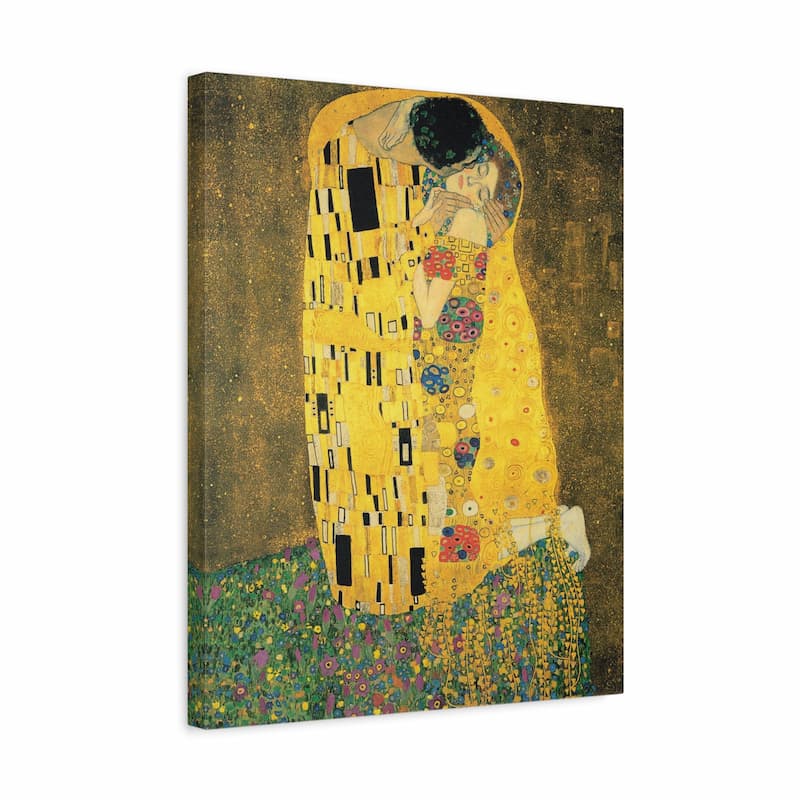
9. The Kiss by Gustav Klimt
This klimt paint by numbers kit sits outside all the other movements in this guide. It is not about light or atmosphere or emotion expressed through distortion. It is about surface, pattern, and symbolic richness. The golden robes of the embracing figures are made up of hundreds of small geometric shapes, circles, rectangles, and spirals, rendered in deep golds, yellows, and jewel tones. This is the most intricate paint by numbers klimt subject we offer, and the finished piece is unlike anything else in the collection. It functions less as a painting and more as a decorative object, the kind of work that commands a specific wall in a specific room.
Final Tips for Painting Famous Art
These kits are detailed and designed to be worked through over many sessions. Here is what makes the difference between a rushed result and a paint by numbers masterpiece worth framing.
- Good lighting is essential. Many of these kits, particularly the Vermeer and the Monet, involve subtle color shifts between adjacent numbered sections. Bright, even overhead light is the minimum. A clip-on daylight lamp positioned above your canvas removes ambiguity entirely.
- Trust the numbers and step back regularly. When you are inches from the canvas, a Van Gogh sky looks like abstract patches of color. Step back five feet, and the eye begins to blend the tones into the image. This is especially important for the Seurat, where the Pointillist effect only becomes visible at a distance.
- Frame it properly. When you have finished a Klimt or a da Vinci, it deserves a proper frame. Read our complete sealing and framing guide before you hang anything. A coat of varnish first, then a frame that suits the scale and palette of the work.
All nine kits are part of our advanced and detailed collection. If you are new to paint by numbers and want to build confidence before attempting a famous masterpiece, start with our paint by numbers for beginners collection and work up to these subjects at your own pace.
Frequently Asked Questions
What is the best famous art paint by numbers kit for beginners?
How long does a famous art paint by numbers kit take to complete?
Do I need any art experience to paint famous masterpieces by numbers?
Can I frame my finished famous art paint by numbers canvas?
What makes famous art paint by numbers different from standard kits?
Start Your Art Collection
All nine kits are available now. Browse the complete famous art collection and find the masterpiece you want on your wall. From $29.99, delivered to your door across the US.
Explore Famous Art Kits